



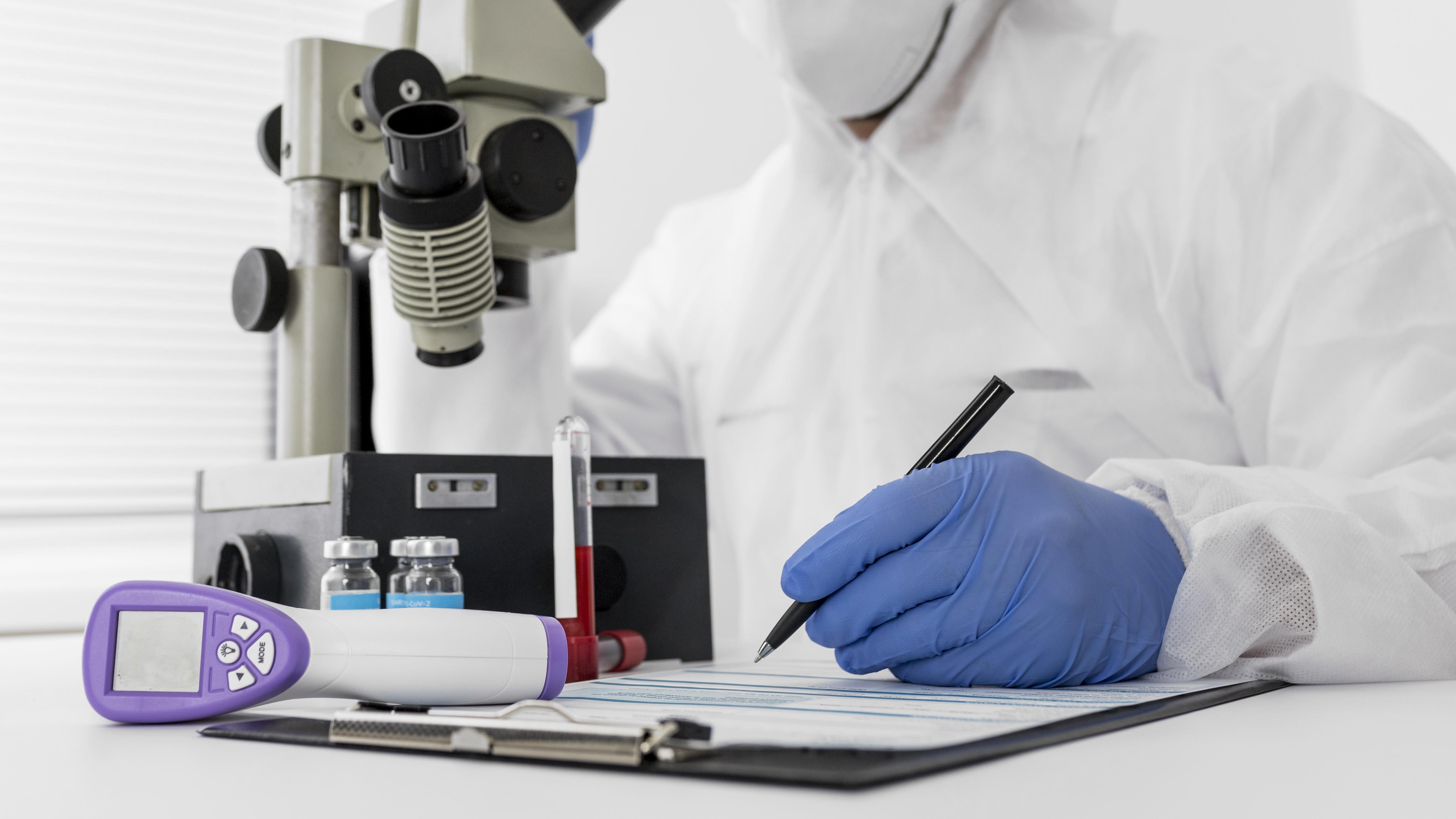
In today’s regulated bioanalytical environment, inspection readiness isn’t optional — it’s a necessity. Whether supporting preclinical or clinical trials, laboratories must demonstrate that their data is not only scientifically sound but also compliant, traceable, and reproducible.
Global regulators like the USFDA, EMA, MHRA, and Health Canada are paying close attention to data integrity, method validation, and sample traceability. Based on recent inspection trends, here are the most frequent bioanalytical audit findings — along with actionable steps your lab can take to stay inspection-ready all year round.
Common Bioanalytical Audit Findings (With Real-World Context)
1. Improper Sample Storage Conditions
Finding: A recent EMA inspection found that freezer temperature logs were missing for a 48 hour period. The relative humidity was not tracked, leading to questions about sample integrity.
Solution:
- Use temperature monitoring with real-time alerts.
- Maintain digital temperature and Relative Humidity logs with regular QA reviews.
- Back-up power and SOPs for storage failure events.
2. Custody Handling Irregularity
Finding: During a USFDA inspection, it was found that a sample transfer between departments was undocumented, raising chain-of-custody concerns.
Solution:
- Implement a documented, traceable chain of custody for every sample.
- Use barcode systems and inventory logs that track every hand-off.
- Annual traceability audits.
3. Inadequate Method Validation
Finding: An MHRA audit noted missing matrix effect studies for a newly validated assay, leading to a regulatory observation
Solution:
- Maintain a checklist per ICH M10 for every validation.
- Use standardized validation templates.
- QA to verify completeness before finalization.
4. Calibration Curve & Regression Issues
Finding: A firm was cited for using quadratic regression without justification and inconsistent curve acceptance criteria
Solution:
- Justify the selection of regression models and weighting schemes.
- Monitor curve performance continuously.
- Implement peer review of curve performance.
5. Weak Data Integrity Controls
Finding: Audit trails were turned off in the instrument software during a pre-approval inspection, leading to a major finding
Solution:
- Implement ALCOA+ across the lab.
- Lock audit trails and restrict admin rights.
- Train all staff on electronic record integrity.
Beyond Fixes: How to Stay Truly Inspection-Ready
1. Foster a Proactive Culture of Compliance
Compliance is not a department — it’s a mindset.
- Conduct monthly “Quality Conversations” with cross-functional teams.
- Celebrate “Right First Time” data practices.
- Encourage staff to report minor deviations before they escalate.
2. Embed Compliance into Daily Workflows
Don’t treat regulatory guidelines as external mandates — make them part of your SOPs, LIMS systems, and daily reviews.
- Align SOPs with ICH M10 and update them annually.
- Integrate compliance checkpoints into LIMS system.
- Use dashboards for real-time tracking of CAPAs, deviations, and QC trends.
3. Leadership Drives Readiness
Management tone defines lab culture.
- Leaders must demonstrate commitment to quality — not just cost or speed
- Sponsor regular internal audits and mock inspections.
- Include compliance metrics in team performance KPIs
- Practical Readiness Tools
| Tool | Purpose |
| Mock Audits | Simulate real inspections. Include documentation reviews and interviews. |
| Training Refreshers | Quarterly GMP/GxP refreshers, not just annual. |
| Digital Dashboards | Track deviations, CAPAs, and quality KPIs in real time. |
| Archiving System | Ensure all data and samples are stored per retention policies. |
| Inspection SOP | Define how to host and respond to inspections — before one is announced. |
Conclusion
Being audit-ready isn’t just about passing inspections — it’s about building confidence in your data and reinforcing your lab’s reputation for excellence. By proactively addressing common audit pitfalls and cultivating a strong quality culture, your lab will not only meet regulatory expectations but also stand out as a reliable partner in the bioanalytical space.